Recyclable packaging plays a crucial role in modern waste management operations. For industry professionals, understanding how recyclable packaging integrates into existing waste streams—while providing environmental protection if materials escape containment—is essential operational knowledge.
The Role of Recyclable Packaging in Waste Management
Recyclable packaging serves dual purposes in waste management. When properly contained and processed, recyclable packaging supports circular economy principles by keeping materials in circulation. When packaging escapes containment, recyclable packaging that also prevents persistent microplastics provides additional environmental protection.
BioBottles™ represent this dual approach. They're recyclable when properly disposed—local programs may vary. They're fully compatible with existing HDPE (#2) and PP (#5) recycling streams. This compatibility ensures recyclable packaging doesn't disrupt existing waste management infrastructure.
For waste management professionals, recyclable packaging that works within existing systems is essential. BioBottles™ integrate seamlessly into standard recycling processes. No special handling required. No separate collection streams needed. This practical approach makes recyclable packaging adoption more feasible.
Recycling Stream Compatibility
Understanding recycling stream compatibility is fundamental for recyclable packaging success. BioBottles™ made from HDPE are compatible with HDPE (#2) recycling streams. Those made from PP are compatible with PP (#5) recycling streams. This compatibility ensures recyclable packaging works with established waste management processes.
Recyclable packaging that requires special handling creates operational challenges. Separate collection. Different processing. Additional costs. BioBottles™ avoid these issues. They work with existing recycling infrastructure, making recyclable packaging adoption more practical for waste management operations.
The compatibility of recyclable packaging with standard streams supports broader adoption. Waste management facilities don't need to modify processes. Collection systems don't require changes. Recyclable packaging integrates naturally into existing operations.
Environmental Protection: If Escaped
Recyclable packaging provides value when properly contained. But what happens when packaging escapes containment? This is where recyclable packaging with additional environmental protection becomes valuable.
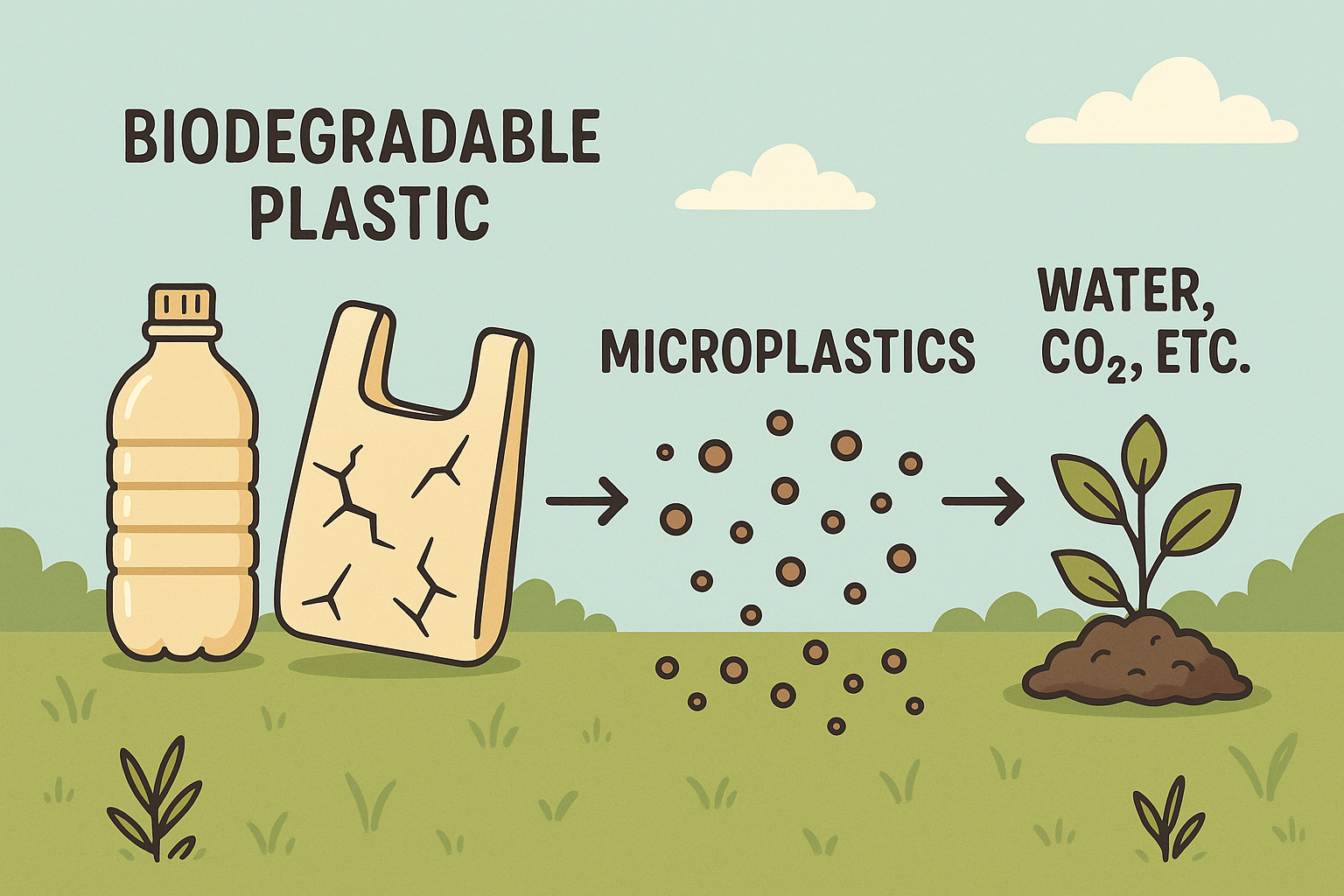
BioBottles™ are recyclable when properly disposed—local programs may vary. But if packaging escapes containment, PlasticIQ™ Technology prevents persistent microplastic formation. This dual benefit makes recyclable packaging more valuable for waste management operations.
Recyclable packaging that only works when contained has limitations. Materials escape. They enter the environment. Recyclable packaging with environmental protection addresses this reality, providing value even when containment fails.
Circular Economy and Recyclable Packaging
Recyclable packaging supports circular economy principles. When materials are recycled, they stay in circulation. This reduces the need for virgin materials. It conserves resources. It supports sustainability goals.
BioBottles™ support circular economy through recyclability. They're recyclable when properly disposed—local programs may vary. This recyclability keeps materials in circulation, supporting circular economy objectives while providing environmental protection if packaging escapes containment.
Recyclable packaging that supports circular economy is increasingly important. Waste management operations face pressure to improve sustainability. Recyclable packaging that works within existing systems helps meet these goals without disrupting operations.
Local Recycling Programs
Recyclable packaging effectiveness depends on local recycling programs. BioBottles™ are recyclable when properly disposed—local programs may vary. This variability reflects the reality of recycling infrastructure across different regions.
Waste management professionals understand this variability. Some regions have robust recycling programs. Others have limited capacity. Recyclable packaging that works with available programs provides value regardless of local infrastructure.
The compatibility of recyclable packaging with standard streams helps maximize recycling potential. Even in regions with limited programs, recyclable packaging that's compatible with standard streams has better recycling prospects than materials requiring special handling.
Operational Benefits of Recyclable Packaging
Recyclable packaging provides operational benefits for waste management. Materials that can be recycled reduce landfill burden. They support resource conservation. They align with sustainability objectives.
BioBottles™ provide these benefits while maintaining practical functionality. They work with existing recycling infrastructure. They don't require special handling. They support operational efficiency while providing environmental benefits.
Recyclable packaging that integrates seamlessly into operations is more valuable than materials requiring process changes. Waste management facilities can adopt recyclable packaging without disrupting existing workflows, making adoption more practical.
Why Recyclable Packaging Matters
Recyclable packaging matters because it supports both circular economy and environmental protection. When properly contained, recyclable packaging keeps materials in circulation. When packaging escapes containment, recyclable packaging with environmental protection prevents persistent microplastic formation.
This dual benefit makes recyclable packaging valuable for waste management operations. It supports sustainability goals. It provides environmental protection. It works within existing infrastructure. These factors combine to make recyclable packaging an important consideration for waste management professionals.
Learn More
Want to understand more about recyclable packaging? Explore our BioBottles™ section for details on recyclability, or read about landfill management approaches. Visit our article on biodegradable bottles in landfills or preventing microplastics for related insights.